

byChrisWhite – 2025
Kotor, Montenegro. A name that rolls off the tongue like an old secret hideaway whispered through centuries of covert fraternities and secret handshakes. If I had known what I was in for, I might have packed more reverence alongside my luggage. But I didn’t. And so I entered Montenegro with a head full of vague expectations and a stomach full of Balkan road trip sustenance—mostly questionable gas station pastries and a deep, unshakable faith in the Gate One Travel company.
This particular trip was a grand orchestration of culture and chaos. We began in Venice, swooped through Slovenia, grazed a half-dozen cities along Croatia’s coastline, and dipped into Bosnia before Montenegro finally saw fit to claim us. The route was a whirlwind of history, food, and questionable border crossings, but it was Kotor that clutched my senses with its stone fingers and refused to let go.
The Bay of Kotor is, in a word, otherworldly. Imagine the gods got bored with fjords and decided to carve one into the Adriatic for their personal amusement. Sheer cliffs rise from water so still it could double as a Zeus’ divine mirror. At its narrowest point, the bay squeezes itself into a passage barely wide enough for modern ships to slither through, then expands into a vast amphitheater of mountains and medieval fortifications. If it were any more scenic, painters would riot.
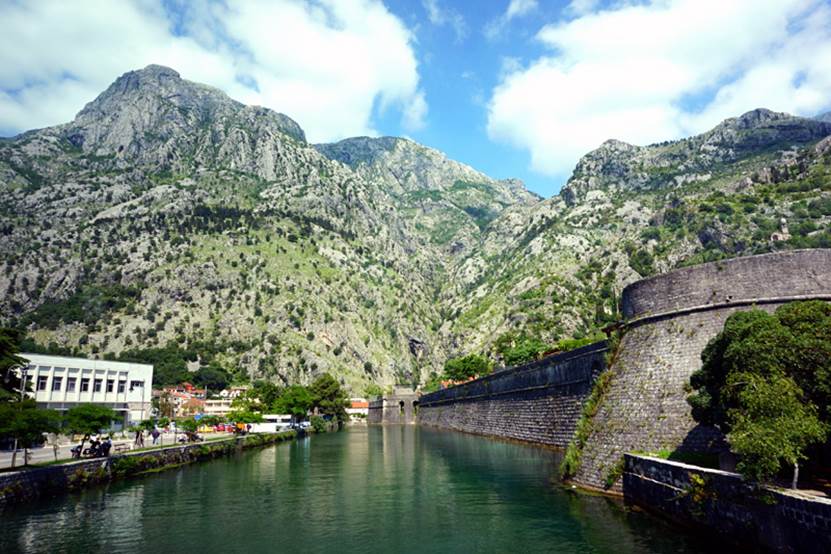
Kotor itself sits at the base of this splendor, a fortified city that looks like it’s been pickled in time. Venetian influences lace through its streets, a nod to the empire that once claimed it. The stone walls whisper stories of invaders, merchants, and the odd pirate with questionable life choices. We followed a guide through its labyrinthine alleys before being set loose to wander. We did what any reasonable travelers would do—found a café, ordered something strong enough to wake the dead, and soaked it all in.
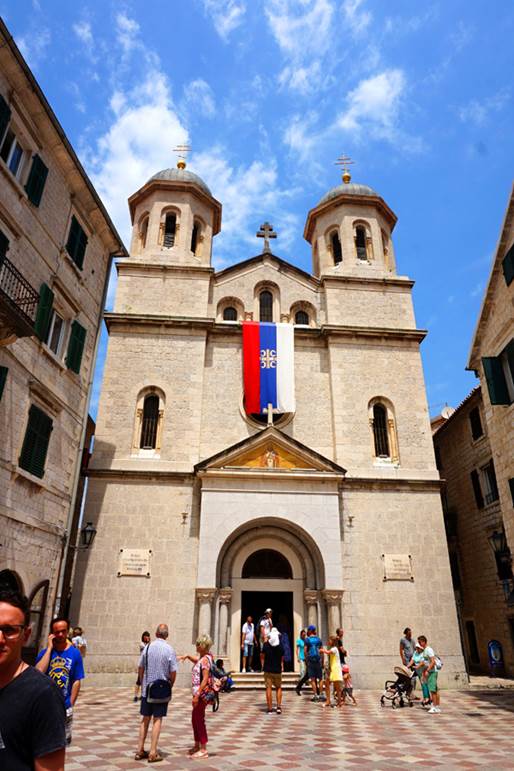
The town’s size is deceptive. Dubrovnik’s old city could swallow it whole, but Kotor compensates with sheer drama. The backdrop is absurd—mountains clawing at the sky, fortifications spiraling up their sides like they were grown rather than built. And those walls? They taunt you. They dare you to climb.
And climb we did. I had read about the ‘free’ path that sidesteps the official entrance fee. I looked for it, half-heartedly, before resigning myself to the booth and forking over the price of admission. A few minutes in, I considered charging them extra for the effort it was taking just to keep moving. The Church of Our Lady of Remedy greeted us at the first stop, smug in its position halfway up, offering views that already made the bay look like something stolen from mythology. It was a lie. We were nowhere near halfway.
The climb is not for the faint-hearted or the weak-kneed. The ‘steps’ are more of a suggestion, cobbled together by centuries of defiance against gravity. Every few paces, we stopped—not for breath, of course, but for ‘photos.’ Eventually, after what felt like a lifetime of diet decisions I regretted, we reached the top. The world stretched out beneath us, the bay gleaming, the town looking like a child’s toy. If ever a place demanded to be painted, this was it.

Time, however, had other plans. We had a schedule to keep, which meant no leisurely descent, no extra minutes soaking in the victory. We hurried down, legs trembling, and made our way to Budva, another coastal gem that deserves its own story. That night, back in Dubrovnik, I found myself in a five-hundred-year-old building eating pizza, because nothing says ‘world traveler’ like old stone and melted cheese.
Before leaving Montenegro, we stopped at Sveti Stefan. The island resort looks like something out of a Bond film, exclusive to the point of absurdity. Staying there requires either a title of nobility or a bank account that sneers at mere mortals. I admired it from a distance, looking for Hollywood A-listers, then seeing none, resigned to my pedestrian status.
Montenegro demands a second visit. There is more to see—national parks, mountains, hidden corners untouched by time. Kotor, in particular, refuses to be a one-time affair. If you have the chance, go. Climb the walls, lose yourself in the alleys, drink something strong and stare at the bay until you believe in unicorns—because that’s exactly what this place is.
And if you go, go with Gate One. They are the kind of tour company that turns chaos into adventure and makes sure you never feel like an outsider in a foreign land. They’ve led us across continents and into stories I wouldn’t trade for anything. Montenegro was no exception. This place is worth every step, every climb, and every moment you can steal from time.

 Ramblings & Revelations
You must be logged in to post a comment.